Trying to choose between Summerlin and central Las Vegas? You are not alone. Many buyers end up deciding between the polish and predictability of a master-planned community and the variety, convenience, and lower entry points of older in-town neighborhoods. If you are weighing both, this guide will help you compare home styles, daily lifestyle, and price so you can make a choice that feels right both personally and financially. Let’s dive in.
Summerlin vs Central Las Vegas
At a high level, this is a comparison between planned suburban living and a more varied urban setting. Summerlin is a 22,500-acre master-planned community on the western edge of the Las Vegas Valley. Its identity is tied to village-style planning, newer neighborhood growth, and a strong amenity network.
Central Las Vegas is different. The city describes it as a collection of distinct neighborhoods, including Downtown, Downtown South, Charleston, Rancho, West Las Vegas, and East Las Vegas. That means your experience can change a lot from one area to the next, which makes local, block-by-block research especially important.
Housing Options and Home Styles
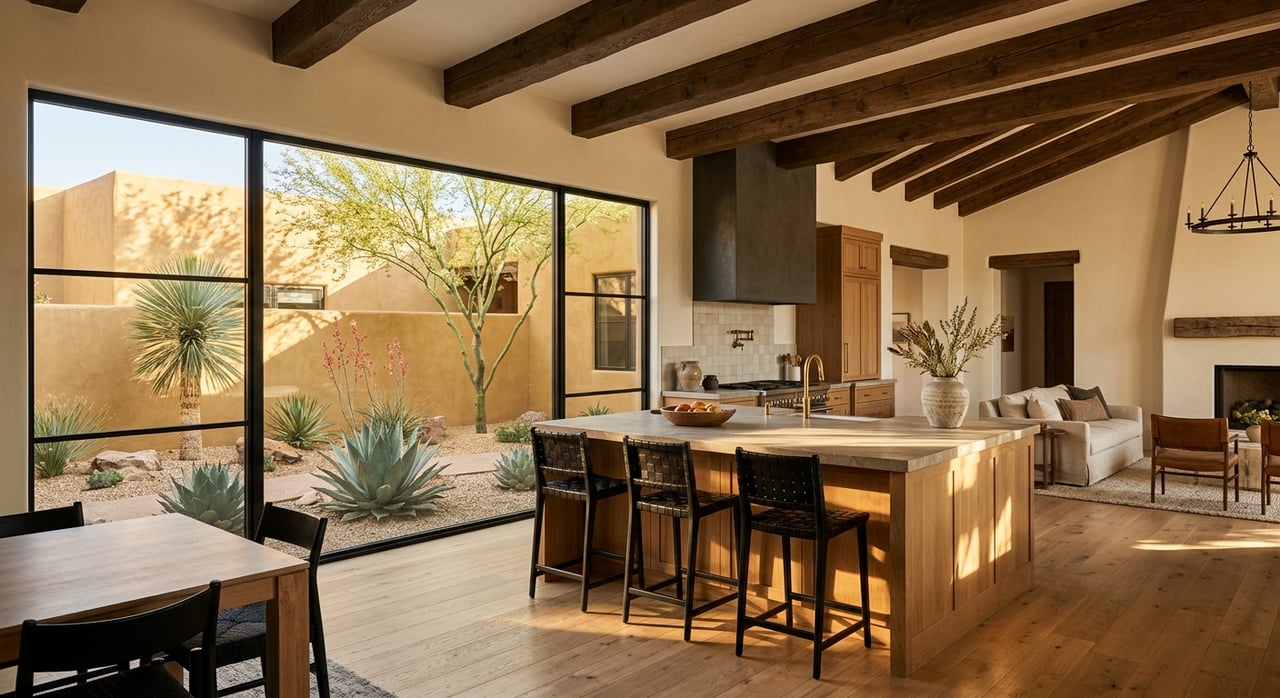
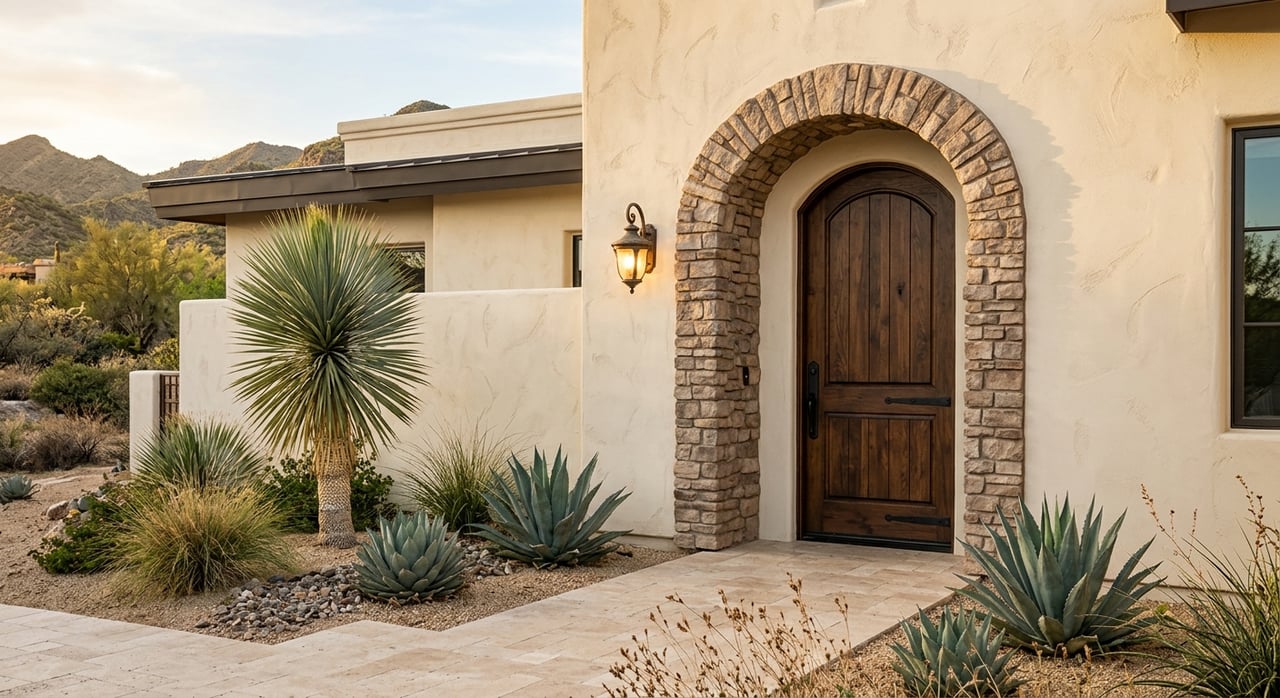
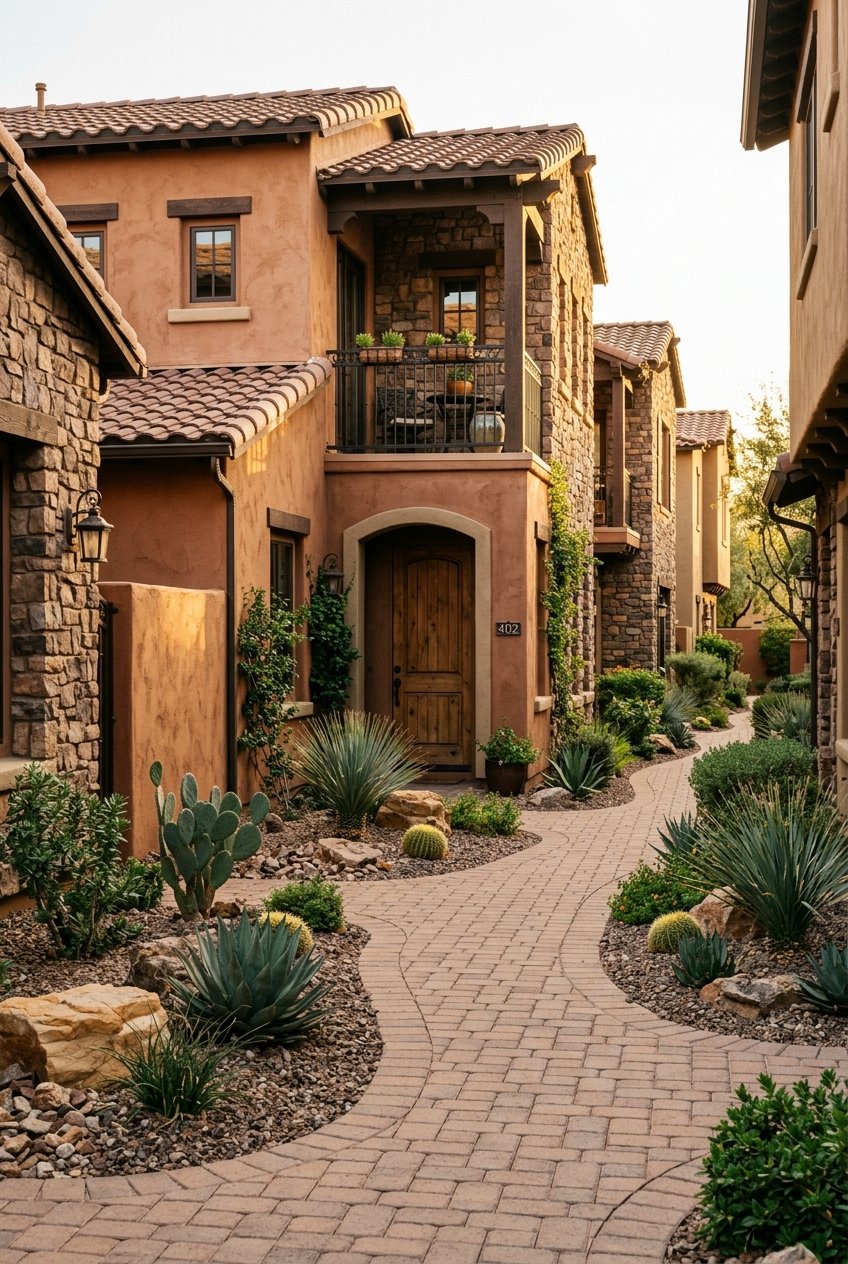
Summerlin homes feel more consistent
If you want a more predictable home search, Summerlin often feels easier to navigate. Official community materials show more than 115 floorplans across 20-plus neighborhoods in seven villages and districts. Homes range from single-family houses to townhomes, and ongoing development means new-construction options are still part of the conversation.
That consistency matters when you want clearer expectations around neighborhood layout, streetscape, and community features. You are often comparing homes within a more unified setting rather than jumping between very different property types. For buyers who value structure and convenience, that can make the search feel less overwhelming.
Central Las Vegas offers more variety
Central Las Vegas has a broader and less uniform housing mix. Downtown includes new mid-rise residential projects, while nearby neighborhoods include postwar homes, mid-century properties, apartments, smaller lots, and commercial corridors. In places like Rancho or Charleston, you may also find older homes with more architectural character.
This can be a plus if you want something unique. It can also appeal to buyers who are open to renovation or who enjoy exploring different neighborhood pockets. In central Las Vegas, the right fit is often less about a broad district label and more about the exact street, block, and property condition.
Lifestyle and Daily Routine
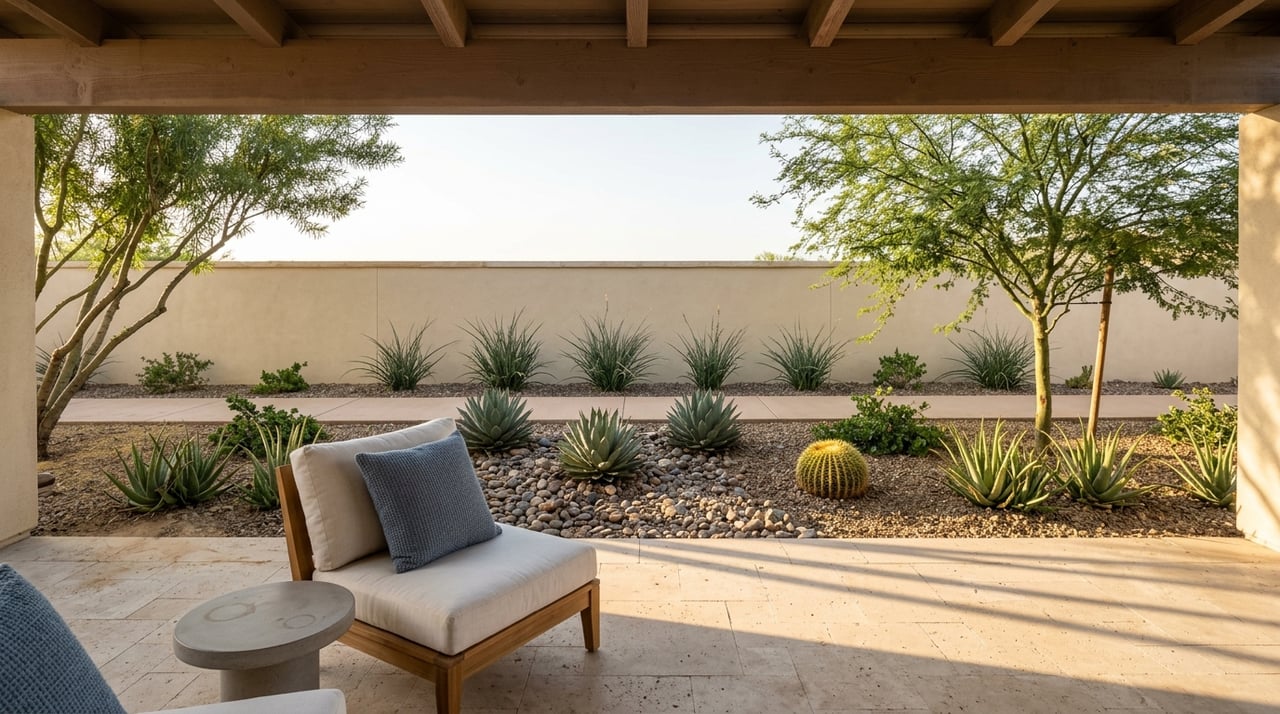
Summerlin leans into parks and planned amenities
For many buyers, Summerlin’s biggest draw is how much is built into the community. Official materials describe more than 300 parks, more than 200 miles of trails, four resident-only community centers, and three Olympic-sized pools. The community also includes shopping, a library, a performing arts center, medical services, and Downtown Summerlin as its urban core.
If your ideal routine includes trail access, neighborhood parks, and a more suburban rhythm, Summerlin has a strong case. The community is designed to connect neighborhoods with amenities, which creates a sense of order that many buyers appreciate. That can be especially appealing if you want your home to support a lifestyle, not just provide square footage.
Central Las Vegas leans into walkability and energy
Central Las Vegas offers a different kind of convenience. The city describes downtown as a walkable, mixed-use core anchored by Fremont Street, the Arts District, Symphony Park, and civic uses like City Hall. Restaurants, entertainment, cultural venues, and newer residential projects all contribute to a denser, more urban feel.
If you enjoy being closer to activity, this setup may fit you better. Your daily life may involve less of a master-planned neighborhood feel and more of an in-town, destination-based lifestyle. For some buyers, that energy is a major advantage.
Commute and Access Considerations
Summerlin supports a freeway-oriented pattern
Summerlin’s location on the west side of the valley, along with its connection to major roadways like Summerlin Parkway and US 95, suggests a more freeway-oriented routine. That can work well if your work, family, or regular destinations are spread across the valley. It may also suit buyers who prefer a quieter residential base and are comfortable driving to many daily stops.
Because Summerlin is near Red Rock Canyon and still within minutes of the Strip, you get a blend of edge-of-valley scenery and regional access. For some buyers, that balance is part of the appeal. You get separation from the urban core without feeling disconnected from it.
Central Las Vegas puts you closer in
Central neighborhoods sit in or near the city’s original core. Based on the city’s neighborhood descriptions, that often means being closer to many downtown destinations and established commercial areas. If your routine revolves around the center of Las Vegas, central neighborhoods may reduce the need for longer cross-valley trips.
That does not mean every central location functions the same way. Some areas are more mixed-use and walkable, while others are defined by older residential streets and nearby commercial corridors. Still, if proximity matters most, central Las Vegas deserves a close look.
Price Differences Buyers Should Know
Summerlin commands a premium
Recent neighborhood-level Redfin data shows a clear price gap between Summerlin and central Las Vegas submarkets. Summerlin’s median sale price was $650,000 over the last three months, and Redfin classified the market as somewhat competitive. That points to a higher cost of entry for buyers who want the master-planned setting and amenity package.
In practical terms, you are often paying for a combination of newer product, community design, and lifestyle infrastructure. That does not make Summerlin better for every buyer. It means the value equation needs to match your priorities.
Central Las Vegas can offer a lower entry point
The same Redfin data shows Downtown Las Vegas at about $329,877 in April 2026, with the market classified as not very competitive. Rancho, a central-west example with historic and mid-century housing, was about $412,500 in March 2026. Those numbers suggest that some central Las Vegas areas may offer a more accessible entry point.
For buyers watching budget closely, this difference can be meaningful. A lower price point may create more room for upgrades, reserves, or future improvements. It may also open the door to neighborhoods that feel more attainable without leaving the city core.
Resale and Long-Term Fit
Summerlin tends to be easier to frame
From a resale perspective, Summerlin’s consistent identity can make it easier to evaluate as a lifestyle-driven purchase. Summerlin’s own materials highlight its mix of styles and price points, along with continuing development and new neighborhoods. Buyers often respond well to communities where amenities and neighborhood design are easy to understand.
That kind of consistency can help when you are thinking ahead. If you expect your home to be both a place to live and a major asset, the clarity of the Summerlin story may matter to you.
Central Las Vegas is often more property specific
In central Las Vegas, value tends to be more block by block. The housing stock is older, more mixed, and often connected to redevelopment or infill potential. That can create opportunity, but it also means you need to evaluate each property with more care.
This is where an analytical approach matters. Two homes with similar square footage may offer very different long-term value depending on condition, location, and surrounding land use. Buyers who are open-minded and patient can find strong opportunities, but the search usually requires sharper comparison.
Which Area Fits Your Buying Goals?
Summerlin may fit you if you want:
- A master-planned community feel
- More parks, trails, and built-in amenities
- Newer homes or newer neighborhoods
- Single-family or townhome options in a more consistent setting
- A lifestyle-focused purchase with a suburban rhythm
Central Las Vegas may fit you if you want:
- A lower entry price in some submarkets
- More architectural variety or vintage character
- A more urban setting near downtown activity
- Walkability to dining, arts, or entertainment in select areas
- Flexibility to consider renovation or redevelopment potential
A Smart Way to Compare Both
If you are truly split between Summerlin and central Las Vegas, try viewing the decision through three filters: budget, lifestyle, and search tolerance. Budget tells you what is realistic. Lifestyle tells you where you will feel most comfortable day to day. Search tolerance tells you whether you want a simpler, more standardized process or are willing to do deeper property-by-property evaluation.
That last point matters more than many buyers expect. Some people feel energized by mixed neighborhoods and hidden-gem potential. Others want a cleaner, more streamlined path with fewer surprises.
Final Thoughts for Las Vegas Buyers
There is no one-size-fits-all winner between Summerlin and central Las Vegas. Summerlin usually stands out for buyers who want a master-planned lifestyle, newer housing options, and a broad amenity network. Central Las Vegas usually stands out for buyers who want urban convenience, varied housing stock, or a lower entry point.
The best choice is the one that supports how you want to live and how you want your purchase to perform over time. If you want help comparing neighborhoods, home types, and price points with a practical, data-informed lens, connect with Florianne May Turla for thoughtful guidance tailored to your goals.
FAQs
Is Summerlin more expensive than central Las Vegas for homebuyers?
- Based on recent Redfin neighborhood data in the research, Summerlin had a median sale price of $650,000, compared with about $329,877 for Downtown Las Vegas and about $412,500 for Rancho, so Summerlin generally comes with a higher entry price.
What types of homes can buyers find in Summerlin?
- Summerlin offers more than 115 floorplans across 20-plus neighborhoods, with homes ranging from single-family houses to townhomes and ongoing new-neighborhood development.
What types of homes can buyers find in central Las Vegas?
- Central Las Vegas includes a mix of new mid-rise residential projects, older homes, mid-century properties, apartments, smaller lots, and redevelopment-oriented areas depending on the neighborhood.
Is Summerlin or central Las Vegas better for walkability?
- Downtown and nearby central districts are generally stronger for walkability and access to arts, dining, entertainment, and civic destinations, while Summerlin is more oriented around parks, trails, and a suburban master-planned layout.
What makes Summerlin appealing for lifestyle-focused buyers?
- Summerlin’s appeal comes from its large amenity network, including more than 300 parks, more than 200 miles of trails, resident-only community centers, pools, shopping, and its planned neighborhood structure.
How should buyers compare Summerlin and central Las Vegas neighborhoods?
- A practical approach is to compare your budget, your preferred daily lifestyle, and how much variation you are comfortable evaluating from one block or property to the next.