If you only picture Las Vegas as bright lights and late nights, you are missing how most residents actually live. Your day-to-day experience here is more likely to involve park trails, coffee runs, school routines, neighborhood shopping, and planning around desert weather than anything tied to the Strip. If you are thinking about buying, selling, or relocating, understanding that local rhythm can help you choose a home that fits both your lifestyle and your long-term goals. Let’s dive in.
Las Vegas Is a City of Neighborhoods
Las Vegas offers a much broader residential landscape than many people expect. According to the city, housing ranges from downtown high-rises to master-planned communities like Summerlin and suburban neighborhoods across the valley. That variety matters because it gives you more than one version of Las Vegas living.
For some buyers, the right fit is an urban setting with walkable streets and mixed-use living. For others, it is a quieter suburban area with more space, parks, and trail access. The key is knowing that everyday life changes a lot depending on where you land.
Downtown Living Feels Local
Downtown Las Vegas is often where people discover the city’s more residential side. The city highlights walkable streets, the 18b Arts District, Fremont East, and Symphony Park as key parts of the urban core. It also notes that downtown homeowners can have more than 150 restaurants and bars within walking distance.
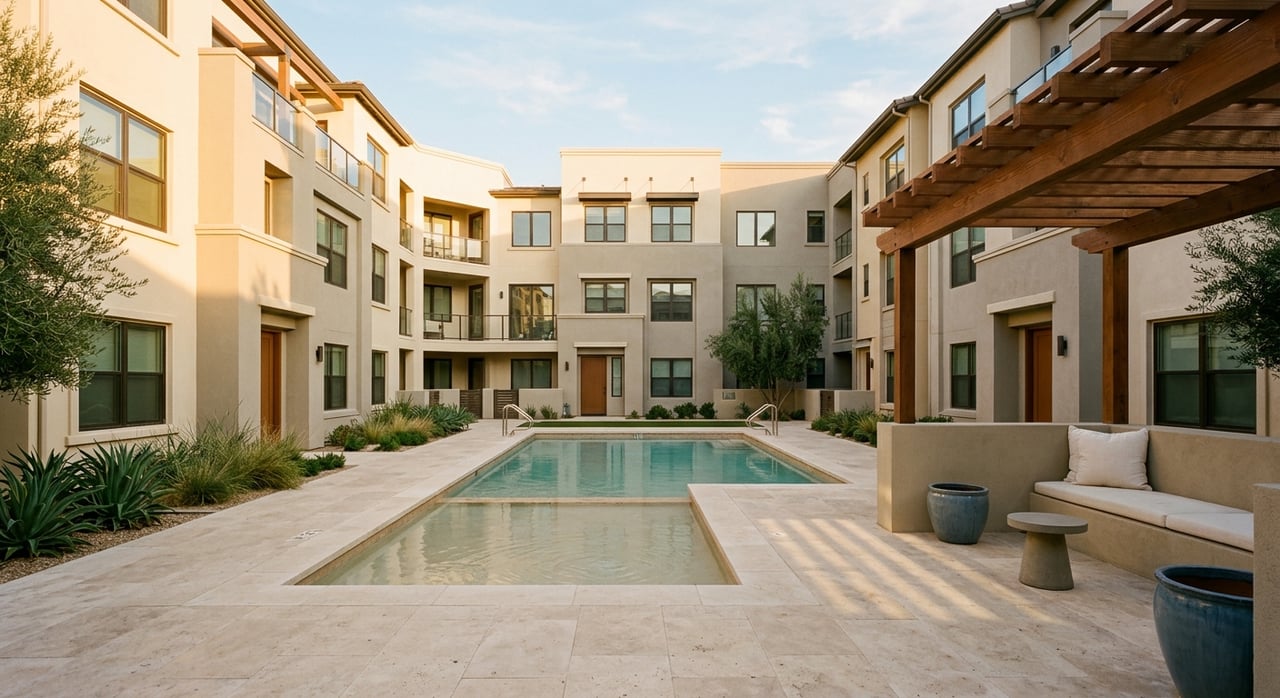
This area is not defined by one type of resident. The city says downtown high-rise living attracts young professionals, Millennials, retirees, and empty-nesters who want an urban lifestyle. There are also more than 2,000 multifamily units completed or under development downtown, which shows continued growth in this part of the market.
What Daily Life Looks Like Downtown
If you live downtown, your routine may be more centered on walking to meals, events, and local retail. The city points to coffee shops, bars, restaurants, and street-level shopping in and around the Arts District, Fremont East, and Symphony Park. That makes errands and social plans feel more woven into the neighborhood itself.
Downtown also has civic and cultural anchors that support local life. The Las Vegas Civic Center & Plaza hosts live events, community gatherings, performances, and rotating art exhibitions. For buyers who want activity close by, this kind of environment can be a strong lifestyle match.
Summerlin Shows the Suburban Side
If downtown is one expression of Las Vegas, Summerlin is another. It is one of the clearest examples of master-planned suburban living in the valley, with more than 300 parks and over 200 miles of trails. The community also offers 115-plus floorplans across more than 20 neighborhoods in seven villages and districts.
That range gives buyers several ways to live within the same broader area. Home options include single-family homes, townhomes, attached homes, and age-qualified choices. For many people, that mix makes it easier to match home type, budget, and daily routine.
Why Summerlin Appeals to So Many Buyers
Summerlin’s newer villages emphasize open space, room to breathe, and walkable connectivity, especially near Red Rock Canyon on the western edge. Its trail system is designed to connect neighborhoods with parks, schools, and shopping, which helps outdoor activity become part of your normal week instead of just a weekend plan.
Downtown Summerlin also plays a big role in everyday convenience. It is presented as a walkable destination that blends retail, dining, entertainment, sports, office space, and wellness uses. In practical terms, that means your neighborhood may support everything from a morning coffee stop to evening errands and community events in one area.
Everyday Errands Happen Close to Home
One of the biggest surprises for newcomers is that daily life in Las Vegas often centers on neighborhood hubs, not the tourist corridor. The city highlights mixed-use retail and service areas downtown, while Summerlin continues to expand with added retail and service uses as new neighborhoods open. That pattern helps explain how residents move through a normal day.
Instead of thinking about Las Vegas as one destination, it helps to think about it as a collection of local routines. Where you shop, grab coffee, meet friends, or take care of errands may depend more on your neighborhood than on the city’s national image.
Getting Around the Valley
Las Vegas is still largely car-oriented in everyday life, but there are meaningful transit options. The Regional Transportation Commission of Southern Nevada operates 39 routes with more than 400 vehicles. It also provides park-and-ride facilities, paratransit, veteran transportation, and the rideRTC app for trip planning and payment.
For many residents, that means driving remains the main way to get around, especially for work and errands across different parts of the valley. At the same time, transit and bike-support options can be more useful in key corridors and especially downtown. If commute style matters to you, neighborhood choice becomes especially important.
Family Routines Go Beyond the House
When you picture neighborhood life, it helps to look beyond the home itself. The city’s Safekey program serves children ages 5 to 11 at 64 elementary schools within the city and includes fitness, arts and crafts, games, STEAM activities, homework time, literacy programming, and snacks. That is a practical example of the kind of day-to-day support families may use.
Clark County and the city also offer recreation centers, classes, programs, and sports leagues. These public resources shape daily life in real ways, whether you are planning after-school routines, weekend activities, or ways to stay connected close to home.
Outdoor Living Is a Major Part of Local Life
Las Vegas neighborhood life is closely tied to parks and recreation. The city describes parks as places that help residents exercise, relax, and gather, which makes them a real quality-of-life feature rather than just an amenity on paper. Clark County Parks & Recreation adds to that with 16 urban recreation and community centers, 14 pool facilities, seven water parks, five indoor year-round pools, 10 skate parks, seven dog parks, and more than 100 public parks.
The city separately says it offers more than 100 parks, swimming pools, and recreational facilities. That means many residents build outdoor time into regular life, whether that is a quick evening walk, swim time in warmer months, or weekend recreation nearby.
Nature Access Is Closer Than You Think
You do not have to leave the metro area for open space. Clark County Wetlands Park spans 2,900 acres on the eastern edge of the valley, including a 210-acre Nature Preserve, five trailheads, free daily trail access, and public programs at the Nature Center. It gives residents a true outdoor destination without making it an all-day trip.
Red Rock Canyon is another major local anchor. Its official information describes a 13-mile one-way scenic drive, picnic areas, a wide variety of hiking trails, and visitor facilities, all about 25 miles west of the Strip. For many households, access to places like this is part of what makes the west side of the valley especially appealing.
Desert Climate Shapes Daily Habits
Las Vegas weather affects how people use their neighborhoods. NOAA normals show an average high of 104.5°F in July and 58.5°F in January, with an annual average high of 80.5°F. That kind of climate tends to shape everything from walking schedules to yard choices.
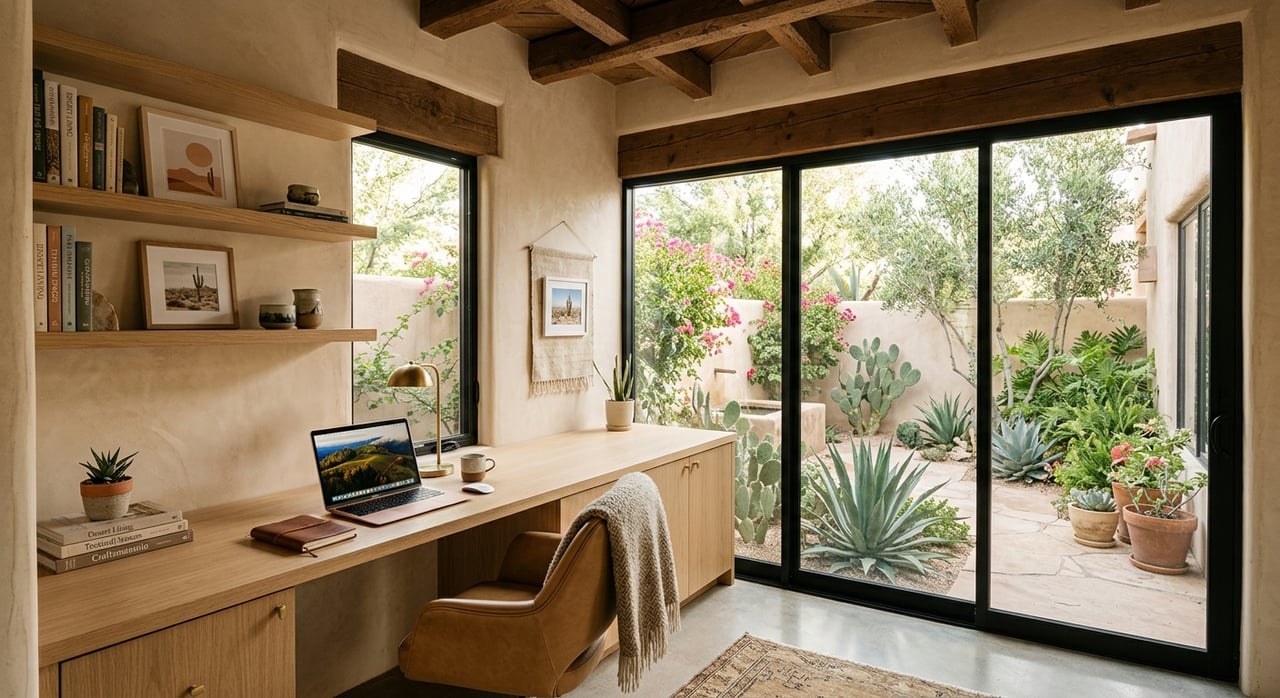
In practice, many residents lean on shade, pools, indoor amenities, and early morning or evening outdoor time during the hottest months. If you are moving to Las Vegas, it helps to think about how a home’s outdoor space, orientation, and proximity to recreation may support your routine year-round.
Water-Smart Homeownership Matters
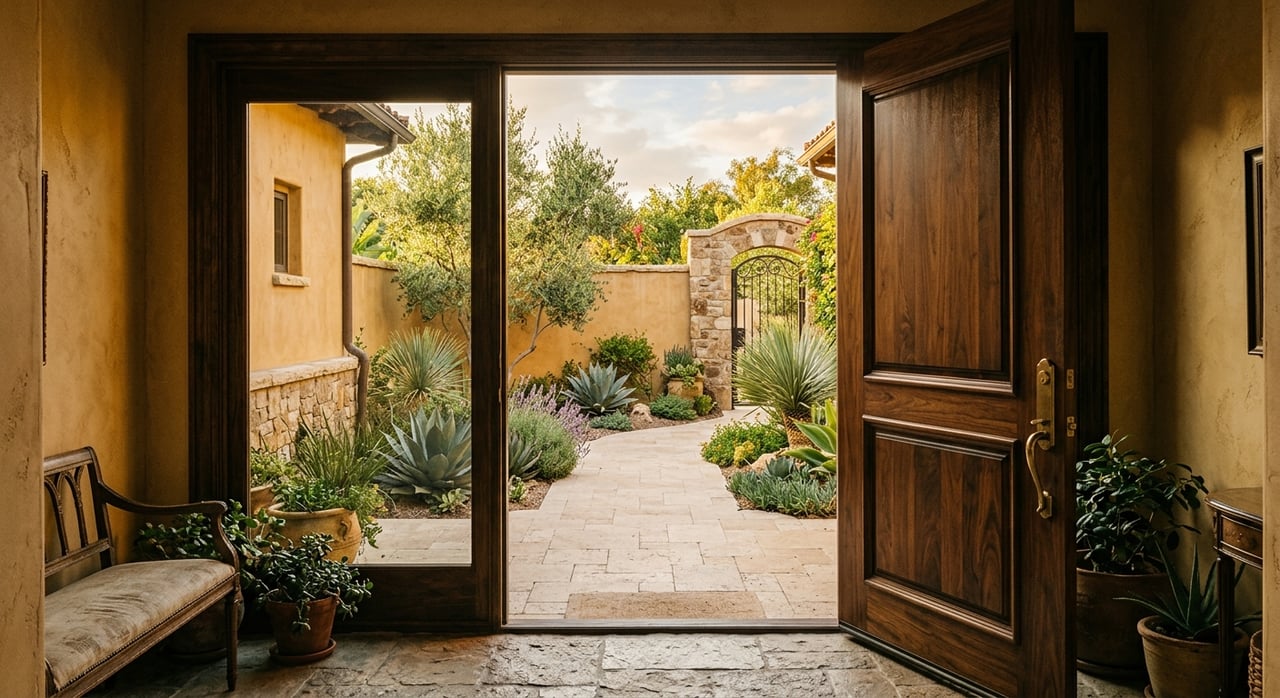
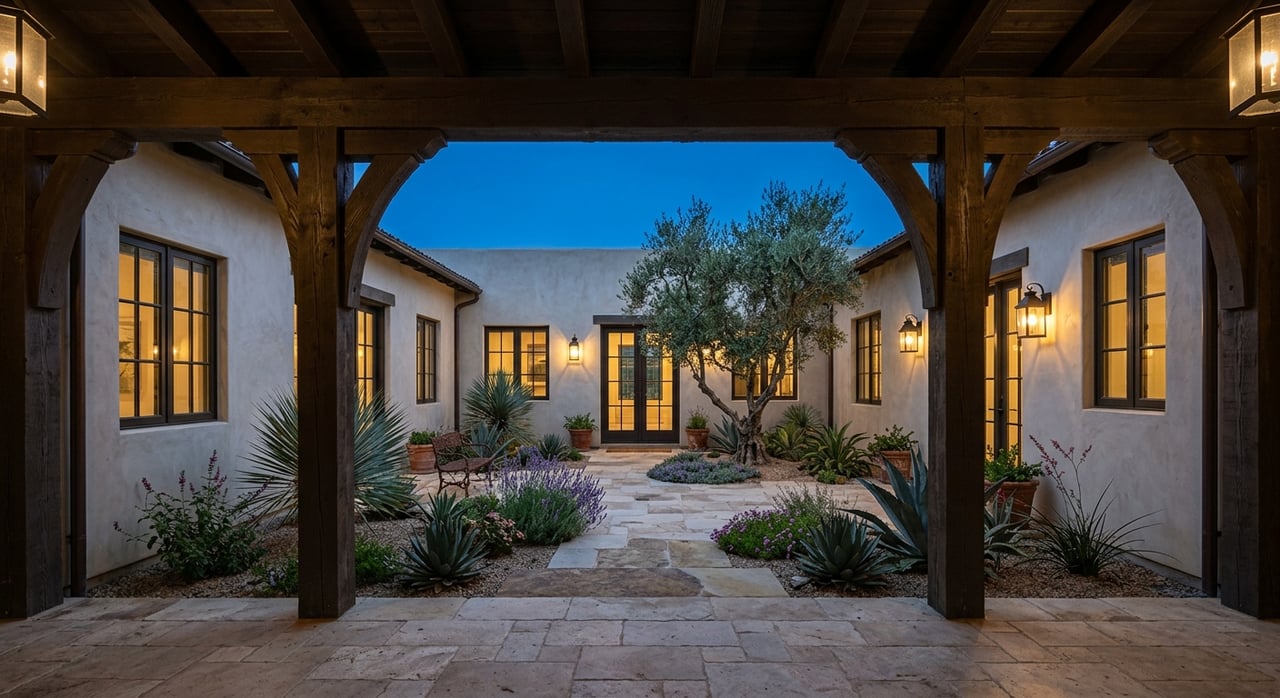
Desert living also influences how many homeowners care for their property. The Las Vegas Valley Water District and Southern Nevada Water Authority offer rebates for removing grass and replacing it with desert landscaping. Springs Preserve also provides gardening classes, desert-friendly plant guidance, and reminders about seasonal watering restrictions.
For buyers and sellers alike, this is more than a design detail. Water-smart landscaping can align with the local environment and the practical side of long-term home maintenance in the valley.
Community Life Extends Beyond Private Neighborhoods
Las Vegas neighborhood identity is not only about subdivisions or gated entries. The city supports neighborhood associations by helping residents register and start associations, reserve meeting spaces, receive notices about proposed developments, and access neighborhood grants. That shows local participation plays a real role in how communities function.
The city also offers cleanup support, tool lending, and Adopt-A-Spot resources for residents who want to improve their blocks. In other words, community pride here often shows up through stewardship and involvement, not just through private amenities.
Arts, Culture, and Local Identity Matter
Las Vegas has a stronger local cultural life than many outsiders realize. The city’s arts and culture programming includes annual festivals, public art, cultural centers, classes, camps, workshops, and youth theater. Downtown, in particular, is positioned as a place for local life with pedestrian-friendly streets, restaurants, breweries, the Arts District, Fremont East, and Symphony Park.
The city also highlights deeper neighborhood history. Its Civic Center exhibition about Black Vegas describes the Historic Westside as a vibrant cultural and social hub where residents built businesses, churches, civic organizations, music venues, and civil rights efforts. That history is a reminder that Las Vegas neighborhoods have distinct identities and stories of their own.
What This Means for Buyers and Sellers
If you are buying in Las Vegas, looking beyond the Strip can help you focus on what really affects your quality of life. Your commute, access to parks, shopping routine, outdoor habits, and preferred pace of life may matter just as much as square footage or finishes. A neighborhood that fits your daily rhythm often supports better long-term satisfaction.
If you are selling, this is also an important mindset shift. Buyers are often comparing not just homes, but lifestyles. Clear positioning around trail access, nearby recreation, mixed-use convenience, age-qualified options, or a more urban setting can help tell the full story of what living there actually feels like.
Las Vegas is not one lifestyle market. It is a collection of neighborhood experiences, each with its own rhythm, conveniences, and strengths. If you want help sorting through which area fits your goals best, Florianne May Turla can guide you with local insight, clear communication, and a practical understanding of how lifestyle and value come together.
FAQs
What is everyday life like in Las Vegas neighborhoods?
- Everyday life in Las Vegas neighborhoods is often centered on parks, trails, shopping hubs, recreation programs, and routines shaped by desert weather rather than the Strip.
What is downtown Las Vegas living like for residents?
- Downtown Las Vegas living can offer walkable access to restaurants, bars, arts venues, mixed-use retail, and civic spaces like Symphony Park and the Civic Center & Plaza.
What makes Summerlin different from other Las Vegas areas?
- Summerlin stands out for its master-planned layout, 300-plus parks, 200-plus miles of trails, varied home types, and neighborhood retail that supports daily convenience.
How do most Las Vegas residents get around the city?
- Many residents rely on cars for daily travel, though the Regional Transportation Commission of Southern Nevada operates 39 transit routes along with park-and-ride and other support services.
How does Las Vegas weather affect neighborhood life?
- Hot summers and mild winters often lead residents to plan outdoor time early or late in the day and to value shade, pools, indoor amenities, and water-smart landscaping.
Are there outdoor recreation options close to Las Vegas neighborhoods?
- Yes, residents have access to city and county parks, recreation centers, pools, Wetlands Park on the east side of the valley, and Red Rock Canyon to the west.
What community resources support families in Las Vegas?
- Family routines can be supported by programs like Safekey, along with city and county recreation centers, classes, sports leagues, and other public services.
Why should homebuyers look beyond the Strip in Las Vegas?
- Looking beyond the Strip helps you evaluate the daily factors that shape real life in Las Vegas, including convenience, recreation, climate, neighborhood character, and housing style.